
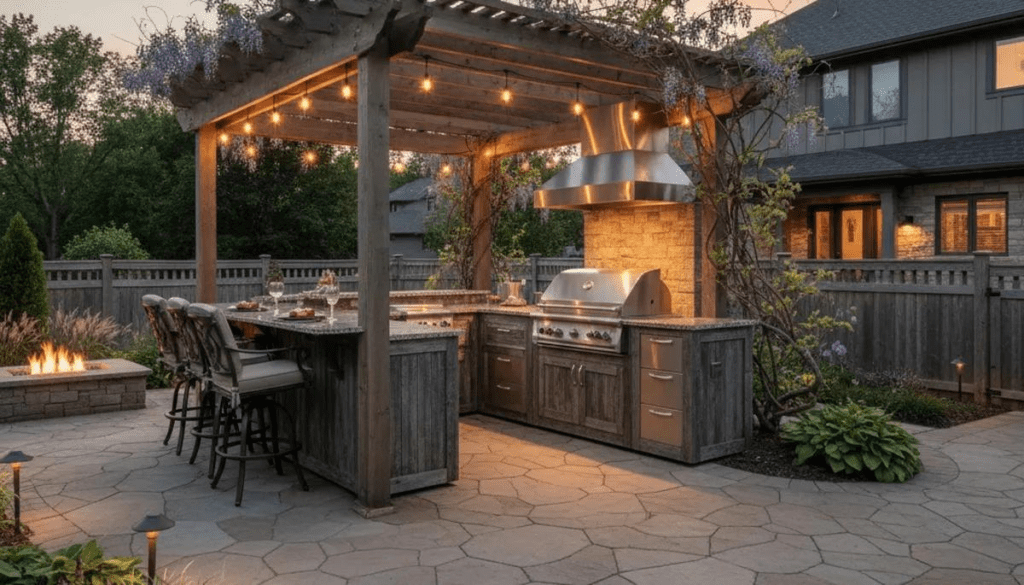
There is a stretch of summer in Madison that is absolutely perfect for cooking outside. The lake breeze, the long evenings, neighbors wandering over when they smell something on the grill. If you have ever stood on your deck or patio and thought “this could be so much more,” you are not alone. Outdoor kitchens have gone from luxury features to one of the most popular backyard additions in the Midwest, and for good reason.
But building an outdoor kitchen in Wisconsin is different from building one in Texas or California. Our season is shorter. Our winters are brutal on anything left outside. And the practical details, like running gas to your deck, making sure the structure can handle the weight, and understanding what Madison requires in terms of permits, matter a lot more here than in a mild climate where you can get away with almost anything.
This guide walks through everything you need to think about before starting an outdoor kitchen project in Madison: design considerations, deck vs. patio, permits, how to handle Wisconsin’s seasonal realities, and how to build something you will actually use for years instead of a project that looks great in June and becomes a headache by October.
Why Outdoor Kitchens Work in Madison (Even with Our Winters)
The biggest objection people have to outdoor kitchens in Wisconsin is the weather. “We only get four or five good months.” That is true if you are counting only the days you would cook outside in shorts and a t-shirt. But most Madison homeowners who invest in an outdoor kitchen find they use it far more than they expected.
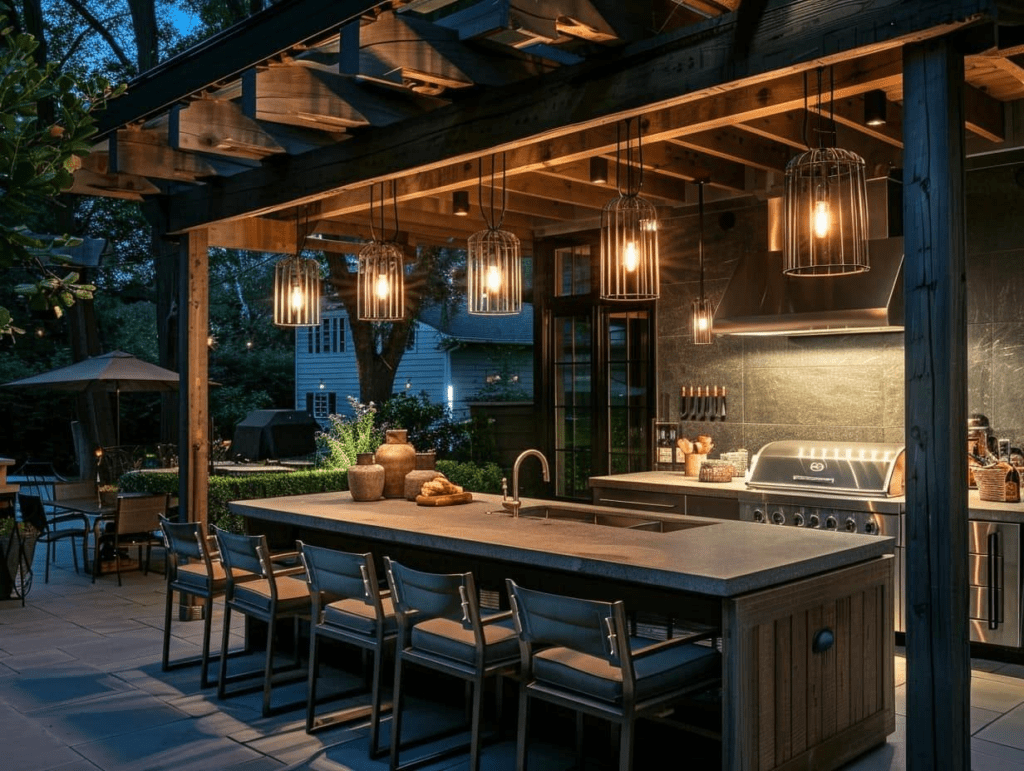
A well-designed outdoor kitchen with overhead cover, whether that is a pergola with a solid roof, a roof extension off the house, or even a retractable awning, extends your usable season from early April through late October. That is seven months. Add a heat source like a fire pit, patio heater, or even just a windbreak wall, and you are comfortably entertaining into November. Plenty of Madison homeowners grill through the winter too, especially with a built-in gas setup that does not require fussing with charcoal in the cold.
The key is designing for Wisconsin’s reality from the start, not building a fair-weather kitchen and hoping for the best. That means choosing materials that handle freeze-thaw cycles, planning for drainage, protecting appliances from the elements, and thinking about how you will close things down for winter. When those details are handled up front, an outdoor kitchen becomes a space you genuinely live in for most of the year.
Outdoor Kitchen on a Deck vs. a Patio: Which Is Right for Your Yard?
This is one of the first decisions you will need to make, and it depends on your yard, your budget, and how ambitious you want to get.
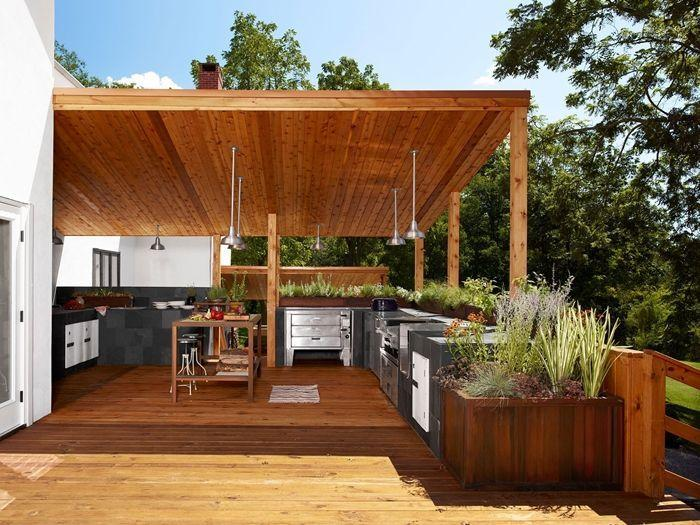
Building an Outdoor Kitchen on a Deck
A lot of Madison homes have existing decks, and it is natural to wonder if you can put an outdoor kitchen on one. The short answer is yes, but you need to think it through carefully.
Weight is the biggest concern. Most residential decks are designed to handle people, furniture, and a standalone grill. A built-in outdoor kitchen with stone or concrete countertops, a heavy grill, a refrigerator, and storage cabinets can add hundreds or even thousands of pounds in a concentrated area. Your deck may need additional support beams, reinforced joists, or new footings to handle that load safely. Before you commit to any design, have the deck’s structural capacity assessed by someone who knows what they are looking at.
Utilities are the second challenge. Running a gas line, electrical circuits, and plumbing to a deck is doable, but it adds complexity and cost. Gas lines need to be installed by a licensed professional. Electrical outlets need to be GFCI-protected for outdoor use. And if you want a sink with running water, the drain needs to connect to your home’s plumbing system properly, which means a real P-trap and a tie-in to your drain-waste-vent system. All of these utility runs are easier to plan when you are building a new deck from scratch. Retrofitting an existing deck is possible but typically more expensive.
Fire safety matters. Wood decks and open flames require extra caution. If your deck is wood or composite, you will want a non-combustible surface or pad under and around the grill area. Proper clearance from the house, from overhead structures like pergolas, and from railings is essential. A vent hood above the grill is strongly recommended when the cooking area is close to the house to keep smoke from drifting inside.
An outdoor kitchen on a deck works well when the deck is structurally sound (or can be reinforced), when utility access is straightforward, and when you keep the design reasonable in terms of weight and footprint. A built-in grill, some counter space, and a small fridge is a great setup for a deck. A full outdoor kitchen with a pizza oven, sink, and bar may be better suited to a patio.
Building on a Patio or Ground-Level Slab
A patio gives you more flexibility. Weight is not a structural concern on a concrete slab or properly prepared paver base. You can go bigger with the layout, heavier with the materials, and more ambitious with features like pizza ovens, fire pits, or built-in seating.
The tradeoff is cost and timeline. A new patio with a built-in outdoor kitchen is a larger construction project than adding features to an existing deck. It involves grading, base preparation, running utilities underground, and building the kitchen structure from the ground up. But the result is typically more permanent, more versatile, and easier to maintain long-term.
For many Madison homeowners, the ideal approach is a combination: keep the deck for dining and lounging, and build the outdoor kitchen on an adjacent patio area at ground level. This separates the cooking zone from the entertaining zone, avoids deck weight concerns, and gives you a layout that flows naturally.
Design Considerations for Madison Outdoor Kitchens
A good outdoor kitchen design starts with how you actually cook and entertain, not with a catalog of appliances. Before picking out a grill or choosing countertop materials, think about these questions:
How Do You Cook?
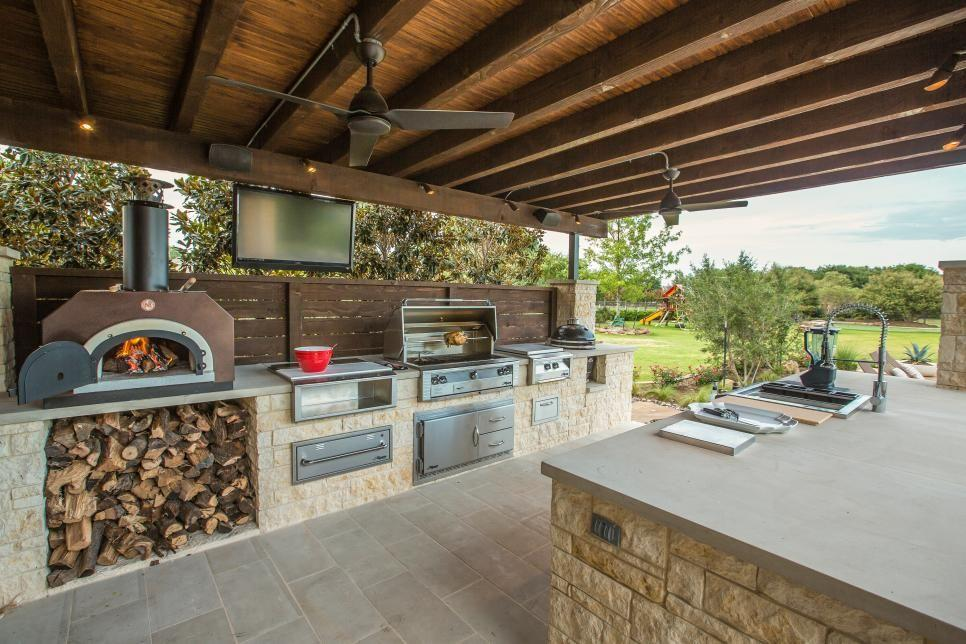
Are you a grill-and-burgers person, or do you want to make full meals outside? A simple setup with a quality built-in grill, some counter space for prep, and storage underneath handles 80% of what most families need. If you want to go further, a side burner lets you cook sauces and sides without running back inside. A pizza oven is a fantastic addition if your family will actually use it, but it adds significant weight and cost.
Be honest with yourself about what you will realistically use. The outdoor kitchen that gets the most use is the one designed around your actual habits, not the one with every feature in the showroom.
How Do You Entertain?
Think about the flow between your kitchen and your guests. The best outdoor kitchens face the seating area so the cook is part of the conversation, not stuck in a corner with their back to everyone. A bar counter with stools on the opposite side of the grill creates a natural gathering spot and gives you serving space at the same time.
Think about how many people you typically have over. If it is usually 4 to 8, you do not need a massive setup. If you host larger gatherings regularly, plan for more counter space, more seating, and a layout that allows people to move around without bottlenecking near the cooking area.
Materials That Handle Wisconsin Weather
This is where building in Madison diverges from building in a warmer climate. Your materials need to survive snow, ice, freeze-thaw cycles, intense summer sun, and everything in between.
- Countertops: Granite and concrete are popular for outdoor kitchens because they handle temperature swings well. Granite needs to be sealed annually. Concrete can be customized in color and shape but also needs sealing. Avoid materials that absorb water and crack when it freezes.
- Cabinetry and structure: Stainless steel, marine-grade polymer, or concrete block are the safest choices. Wood framing behind an outdoor kitchen is a fire risk and a moisture risk. If your builder suggests a wood frame, ask questions.
- Appliances: Buy outdoor-rated appliances specifically designed for weather exposure. Indoor appliances will not survive a Wisconsin winter, even under a cover. Look for stainless steel construction rated for outdoor use with proper drainage.
- Covers and enclosures: A pergola with a retractable canopy or a solid roof extension from the house gives you rain and sun protection. For winter, fitted covers for each appliance and the countertop are essential. Some homeowners build a simple removable enclosure or windbreak that goes up in late fall and comes down in spring.
Permits and Code Requirements in Madison
This is the part most homeowners want to skip, but it matters. In Madison, building permits are required for most outdoor kitchen projects, especially if your project involves any of the following:
- Structural changes to a deck (adding support, modifying the frame, or expanding the footprint)
- Running a gas line from your home to the outdoor kitchen
- New electrical circuits or plumbing connections
- Building a new patio structure or significant addition
Gas line installation in particular requires a licensed professional and a permit in virtually every case. The work will be inspected to make sure it meets code before you can use it. Electrical work for dedicated outdoor circuits also requires a permit and inspection.
If your project involves only setting up a freestanding grill and some furniture on an existing deck or patio, you probably do not need a permit. But the moment you start building permanent structures, running utilities, or modifying your deck, the permit process kicks in.
The good news is that a qualified contractor handles all of this for you. They pull the permits, schedule the inspections, and make sure everything is done to code. If you are working with someone who says you do not need permits for a project that clearly involves gas, electrical, or structural work, that is a red flag.
Getting the Most Out of a Short Season
The practical question every Madison homeowner asks: “Will I actually use this enough to justify the cost?” The answer depends entirely on how you design it.
Extend the Season with Smart Design
A roof or pergola with a solid cover keeps you cooking in the rain and protects your appliances from weather. A built-in gas grill or natural gas hookup means you can fire it up in 10 minutes on a random Tuesday in March without dealing with charcoal. Patio heaters or a fire pit nearby extend comfortable evening use well into fall. A windbreak wall or partial enclosure on the north or west side blocks the prevailing cold winds that make spring and fall evenings uncomfortable.
With these elements in place, most Madison homeowners report using their outdoor kitchen from April through October, and many grill year-round.
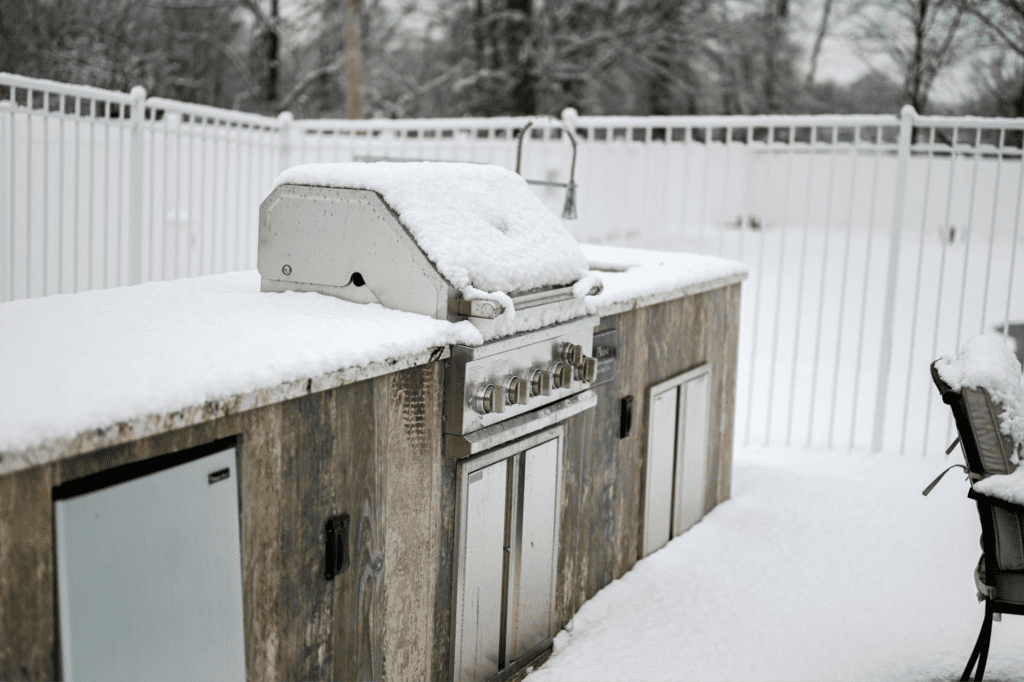
Plan for Winter from Day One
Whatever you build needs a winter plan. That means:
- Appliances that can either be covered securely or brought indoors for storage
- Water lines that can be drained and shut off before the first hard freeze
- Countertop materials that will not crack when snow and ice sit on them for months
- Covers that fit properly and are secured against wind
- Drainage designed so that snowmelt and rain do not pool around the base of the structure
The worst outcome is building a beautiful outdoor kitchen and then watching it deteriorate because winter was an afterthought. The best outdoor kitchens in Wisconsin are designed to look good and function well 12 months a year, even if you are only actively cooking for 7 or 8 of them.
What Does an Outdoor Kitchen Cost in Madison?
Outdoor kitchen costs vary enormously depending on the scope of the project, and there is no single number that fits every situation. But here is a rough framework to help you think about budget:
A simple setup with a quality built-in grill, some counter space, and basic storage on an existing deck or patio typically starts around $5,000 to $15,000. This is the sweet spot for homeowners who want a meaningful upgrade without a major construction project.
A mid-range outdoor kitchen with a built-in grill, side burner, refrigerator, sink, granite or concrete countertops, and proper utility hookups runs $15,000 to $35,000 for most Madison projects.
A full custom outdoor kitchen with premium appliances, a pizza oven, bar seating, a pergola or roof structure, lighting, and a fire feature can run $35,000 to $75,000 or more depending on materials and complexity.
The wide range reflects the reality that outdoor kitchens are highly customizable. The most important thing is to match the investment to how you will actually use the space. A well-designed $12,000 kitchen that you use three times a week all summer is a better investment than a $50,000 showpiece you fire up once a month.
Let’s Talk About Your Backyard
Every outdoor kitchen project starts with the same question: what would make this space work for the way you actually live? Maybe it is a simple grill station that makes weeknight dinners easier. Maybe it is a full entertaining area for the summer parties you have been dreaming about. Either way, the design needs to fit your yard, your home, your budget, and the reality of Wisconsin weather.
That is where we come in. We work with Madison homeowners on outdoor kitchen design and construction, along with decks, patios, and other exterior renovations that transform how you use your backyard. We handle everything from the initial design and permitting through construction and final inspection, so you get a finished space that is built right and built to last.
Request a free design consultation and let’s talk about what your backyard could look like. We will walk through your space, discuss your ideas, and help you put together a plan that makes sense for your home and your budget. No pressure, just a conversation about what is possible.
Questions and Answers: Outdoor Kitchens in Madison, WI
Can you build an outdoor kitchen on a deck?
Yes, but it requires careful planning. The most important consideration is weight. Built-in outdoor kitchens with stone countertops and heavy appliances can add hundreds or thousands of pounds in a concentrated area, and most residential decks are not designed for that kind of load. Before building, have your deck’s structural capacity assessed and be prepared to add support beams or reinforced footings if needed. You will also need to plan for running gas, electrical, and plumbing lines to the deck, all of which add complexity. For lighter setups like a built-in grill with some counter space and a compact fridge, a well-built deck can work great. For larger, heavier kitchens, a ground-level patio is often a better fit.
Do you need a permit for an outdoor kitchen in Madison, WI?
In most cases, yes. Madison requires building permits for projects that involve structural changes to a deck, new gas lines, electrical circuits, or plumbing connections. Gas line installation in particular requires a licensed professional, a permit, and a code inspection. If your project is limited to placing a freestanding grill and furniture on an existing patio, you likely do not need a permit. But any permanent construction or utility work will require one. A qualified contractor handles the permitting and inspection process as part of the project.
How much does an outdoor kitchen cost in Madison?
Costs vary widely based on scope. A simple built-in grill setup with counter space on an existing deck or patio starts around $5,000 to $15,000. A mid-range kitchen with a grill, side burner, refrigerator, sink, and countertops runs $15,000 to $35,000. Full custom outdoor kitchens with premium appliances, pizza ovens, bar seating, and roof structures can range from $35,000 to $75,000 or more. The biggest cost factors are the number and quality of appliances, countertop and cabinetry materials, whether you are building on an existing surface or starting from scratch, and the complexity of utility hookups.
What materials work best for outdoor kitchens in Wisconsin?
Materials need to handle freeze-thaw cycles, moisture, intense summer sun, and snow loads. Granite and concrete are strong countertop choices because they tolerate temperature swings well when properly sealed. Stainless steel and marine-grade polymer are the best options for cabinetry and structural framing. Avoid wood framing behind the kitchen, as it presents both fire and moisture risks. All appliances should be outdoor-rated and designed for weather exposure. Indoor appliances will not survive a Wisconsin winter, even with covers.
Can you use an outdoor kitchen in Wisconsin winters?
You can grill year-round with a built-in gas setup, and many Madison homeowners do. However, the full outdoor kitchen experience is seasonal. With smart design choices like a roof or pergola, patio heaters, a windbreak wall, and a natural gas hookup, most homeowners comfortably use their outdoor kitchen from April through October. The key is designing for winter from day one: choosing materials that handle snow and ice, installing water lines that can be drained before freezing, and investing in quality covers to protect appliances and surfaces during the off-season.
Is an outdoor kitchen a good investment for resale?
Outdoor living space is increasingly valued by buyers, particularly in competitive markets like Madison. Well-designed patios and outdoor entertaining areas generally recover 30% to 60% of their cost at resale, and an outdoor kitchen can push that higher when it serves as a genuine differentiator against similar listings. The key is building something that feels like a natural extension of the home rather than an afterthought. A well-integrated outdoor kitchen with quality materials and proper utility hookups adds both functional and aesthetic value. Over-the-top builds that feel out of scale with the home or the neighborhood may not recover their full cost.
What should I look for in an outdoor kitchen contractor?
Look for a contractor who has experience specifically with outdoor kitchens, not just general deck or patio work. They should be able to walk you through structural considerations, utility hookups, material choices for your climate, and the permitting process. Ask whether they handle gas, electrical, and plumbing through licensed subcontractors. Ask about their winterization approach for Wisconsin. And ask to see completed projects, ideally ones that have been through at least one full winter. Proper installation is the single biggest factor in how well an outdoor kitchen holds up over time, especially in a climate as demanding as ours.
How long does it take to build an outdoor kitchen in Madison?
Timeline depends on the scope of the project. A simple grill station on an existing deck or patio can be completed in a week or two. A mid-range outdoor kitchen with utility hookups and countertop fabrication typically takes three to six weeks from start to finish. Larger custom projects with structural work, roofing, and multiple utility runs can take six to ten weeks. Permitting adds time as well, usually one to three weeks depending on the complexity of the project and the current workload at the city. If you want your kitchen ready for summer entertaining, starting the planning process in late winter or early spring is ideal.
Make This the Summer You Stop Talking About It
You have thought about it. You have looked at pictures online. You have imagined what it would be like to cook dinner outside on a warm Thursday evening instead of heating up the kitchen. This is the year to make it happen.
We design and build outdoor kitchens, decks, patios, and exterior renovations for homeowners across the Madison area. From the initial conversation about what you want to the last inspection sign-off, we handle every step of the process so you end up with a backyard you actually want to spend time in.
Schedule your free design consultation and let’s start figuring out what your backyard could be.