
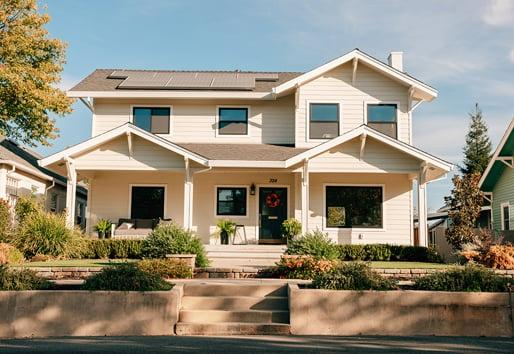
If you live in Madison and your heating bill made you wince last winter, you are not alone. Energy costs across Wisconsin have been climbing steadily, and the past two years brought back-to-back rate increases from nearly every major utility in the state. Some Madison homeowners saw their December bills top $300 for the first time.
Here is the frustrating part: a big chunk of that money is literally going out the window. Old or poorly insulated windows are one of the biggest reasons homes lose heat in winter and gain too much heat in summer. The Department of Energy puts the number at 25% to 30% of your heating and cooling costs. That means if you are spending $200 a month to keep your house comfortable, $50 to $60 of that could be leaking through your glass.
The good news is that today’s replacement windows are dramatically better at keeping your home comfortable and your energy bills in check. And even though the federal tax credit for windows expired at the end of 2025, Wisconsin still has active rebate programs that can take thousands off the cost of a window project.
This guide will walk you through what actually matters when replacing windows in Madison, how much you can realistically save, what rebates are available right now, and how to avoid the most common mistakes homeowners make.
Why Old Windows Cost Madison Homeowners So Much Money
Madison’s weather is brutal on windows. We get some of the widest temperature swings in the country. January nights drop well below zero. July afternoons push into the mid-80s with thick humidity. Your windows have to perform in both extremes, and if they were installed 15 or 20 years ago, they are almost certainly not keeping up.
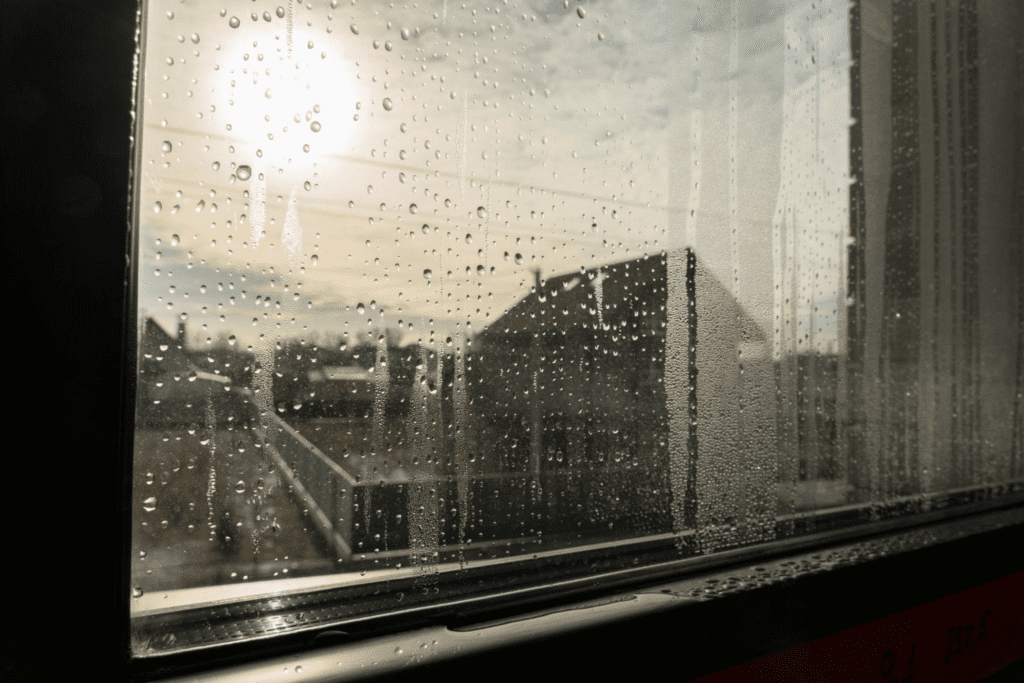
There are a few telltale signs your windows are costing you more than they should:
- Drafts near windows even when they are closed. If you can feel cold air near a window in winter, heat is escaping and cold air is getting in.
- Condensation or frost on the inside of the glass. This means the interior glass surface is getting cold enough for moisture to collect, which is a sign of poor insulation.
- Rooms that are noticeably colder or hotter than the rest of the house. If you avoid the living room in January because it is always freezing, your windows are likely the culprit.
- Foggy glass between the panes. That cloudiness means the seal between the glass layers has failed, and the insulating gas has leaked out. The window is now performing like a single sheet of glass.
- Faded furniture, flooring, or curtains near windows. UV rays passing through uncoated glass damage your belongings over time.
If any of that sounds familiar, you are paying an energy penalty every single month. Replacing those windows will not just lower your bills. It will make your home noticeably more comfortable, quieter, and better protected from UV damage. Our company is dedicated to helping customers reduce energy costs and improve comfort by addressing these common window issues.
What Makes Modern Windows So Much Better
Window technology has come a long way, but you do not need to understand the engineering to make a smart choice. Modern windows feature superior construction and craftsmanship, using high-quality materials to ensure durability and performance. Here is what matters in plain terms.
Low-E Glass: Your Window’s Built-In Thermos
Low-E glass has a thin, invisible coating that reflects heat. In winter, it bounces your indoor heat back into the room instead of letting it escape through the glass. In summer, it blocks a portion of the sun’s heat from getting inside. Think of it like a thermos: the coating creates a barrier that keeps the temperature you want on the side you want it.
This is the single biggest upgrade in modern windows, and it is standard on virtually every quality replacement window today. If your current windows were installed before Low-E coatings became common (roughly pre-2000), this alone can make a dramatic difference in comfort and energy use.
Double-Pane and Triple-Pane Glass
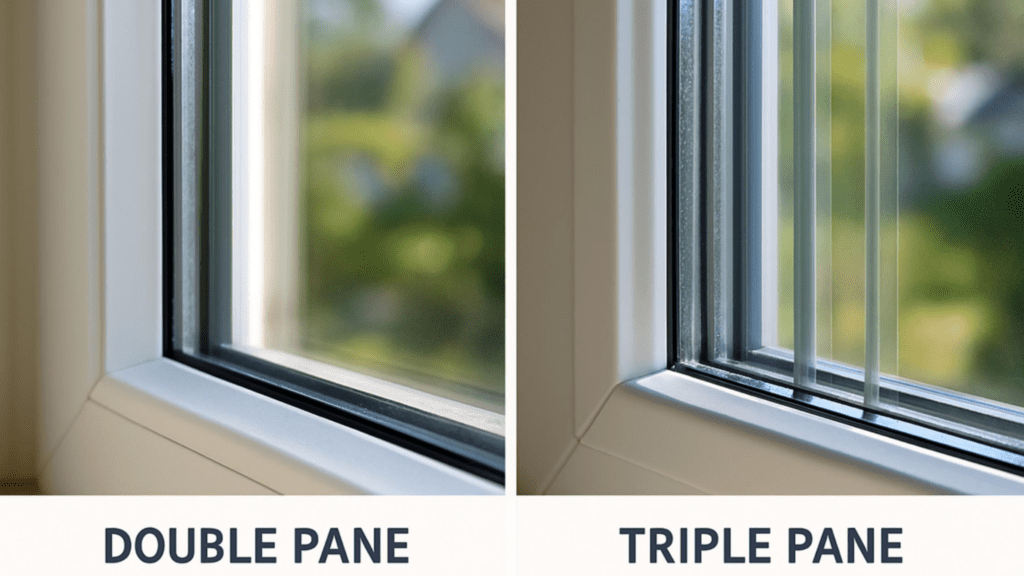
Older homes in Madison often have single-pane windows, which offer almost no insulation. Even if your home has double-pane windows, the seal may have failed over the years, reducing them to single-pane performance.
Modern double-pane windows with Low-E coating and argon gas between the panes are the standard for most Madison replacement projects. They provide a massive upgrade over single-pane or old double-pane windows at a reasonable price point. Triple-pane windows take performance a step further and are worth considering for bedrooms, living rooms, or any room where you really feel the cold. They cost a bit more per window, but the added comfort in Wisconsin winters is noticeable.
Better Frames, Tighter Seals
The glass is only part of the story. Modern vinyl, fiberglass, and composite frames insulate far better than the aluminum frames found in many older Madison homes. They also seal more tightly, which means less air leakage around the edges. That combination of better glass and better frames is what makes new windows feel like a completely different experience compared to what they replaced.
How Much Can New Windows Actually Save You?
According to ENERGY STAR, replacing old windows with certified energy-efficient models can reduce your heating and cooling costs by up to 13%. In a cold climate like Madison, where heating makes up the bulk of your annual energy spend, the savings can be even more significant.
For a typical Madison home, here is a rough picture of what to expect:
| Your Current Windows | What You Could Save Per Year |
| Single-pane windows | $450 – $750 per year |
| Old double-pane (no Low-E, seals failing) | $240 – $500 per year |
| Double-pane in okay shape but 15+ years old | $150 – $300 per year |
These numbers are based on a 2,000-square-foot home with around 15 windows, using current Wisconsin electricity rates of about 17 cents per kWh and typical natural gas heating costs. Your actual savings will depend on the condition of your current windows, the size of your home, and how well insulated the rest of your house is.
The important thing to keep in mind: these savings are not a one-time benefit. They show up on every utility bill for the life of the windows, which is typically 20 to 30 years. And with Wisconsin energy rates continuing to rise, your savings actually grow over time. A window that saves you $400 this year might save you $500 or more in five years as rates keep climbing. It’s easy for Madison homeowners to start saving money—modern window replacement makes the upgrade process straightforward and hassle-free.
What Rebates and Incentives Are Available in 2026?
This is where a lot of homeowners are confused right now, and for good reason. The incentive landscape changed significantly heading into 2026.
The Federal Tax Credit Is Gone
The federal Section 25C tax credit that gave homeowners up to $600 back on energy-efficient windows expired on December 31, 2025. If you had windows installed last year, you can still claim it on your 2025 tax return. But for any work done in 2026, that federal credit is off the table.
Wisconsin’s Focus on Energy Program Is Still Going Strong
The good news: Wisconsin’s own Focus on Energy program continues to offer rebates for energy-efficient home improvements. Focus on Energy is funded by Wisconsin utilities and provides rebates, free home energy assessments, and connections to qualified contractors. Window replacement can qualify as part of a larger home energy upgrade that includes insulation and air sealing.
IRA Home Energy Rebates: Up to $10,000 Back
Wisconsin received $149 million in federal funding through the Inflation Reduction Act for two rebate programs that are still active and available right now:
HOMES (Home Efficiency Rebates): This program pays you back for whole-home energy improvements. If your project, which can include windows, insulation, air sealing, and heating equipment, reduces your energy use by at least 20%, you qualify. Rebates range from $2,000 to $10,000 depending on your household income and how much energy you save. Every homeowner is eligible regardless of income.
HEAR (Home Electrification and Appliance Rebates): Geared toward heat pumps and electric equipment upgrades, but also covers insulation and air sealing work. Rebates up to $14,000 are available for income-qualifying households (at or below 150% of Area Median Income).
The Smart Strategy: Bundle Your Project
Here is the practical takeaway. In 2026, the best way to maximize your savings is to combine your window replacement with insulation and air sealing work. That approach qualifies you for the largest HOMES rebates, and you can stack Focus on Energy incentives on top. An energy audit (which can also be covered by program funds) tells you exactly which combination of upgrades will get you to that 20% energy savings threshold and unlock the highest rebate tier.
What to Look for in a Window Installer
Choosing the right installer matters just as much as choosing the right windows or doors. A high-quality window or door installed poorly will leak air, let in moisture, and underperform for its entire life. Our expertise in both window and door install services ensures professional installation, which is crucial for maximizing energy efficiency, durability, and overall home aesthetics. Here is what separates a good installation from a bad one.
Proper Sealing Around the Frame
The gap between the window frame and your wall is where most installation problems happen. A good installer will use low-expansion spray foam or backer rod and caulk to seal this gap completely. If an installer does not bring up air sealing during your consultation, that is a red flag. Skipping this step can cut your energy savings in half.
Attention to Flashing and Waterproofing
In Madison’s climate, moisture management is critical. Proper flashing at the sill and around the frame prevents water from getting behind the window and into your walls. Water damage behind a window is expensive to fix and often invisible until it has already caused serious problems.
Honest Assessment of What You Need
A trustworthy installer will look at your home as a whole, not just try to sell you the most expensive window in the catalog. Some rooms might benefit from triple-pane glass while others do fine with double-pane. South-facing windows can work differently than north-facing ones in terms of how much sun they let in. A good installer will talk through these details with you and recommend what actually makes sense for your home and budget.
Questions to Ask Before Signing
- How do you seal the space around the window frame?
- Are your windows ENERGY STAR certified for the Northern Climate Zone?
- Are you a Focus on Energy Trade Ally or IRA Registered Contractor?
- Do you handle permits, and will the work be inspected?
- What is your warranty on both the product and the installation labor?
That last point about contractor registration matters if you want to take advantage of HOMES rebates. The program requires that work be completed by an IRA Registered Contractor, so verifying that upfront saves you from finding out too late that your project does not qualify.
Common Mistakes Madison Homeowners Make with Window Replacement
We see these mistakes regularly, and they are all avoidable.
Going with the cheapest bid without checking what is included. A lower price often means lower-quality windows, skipped air sealing, or no flashing. The money you save upfront gets eaten by higher energy bills and potential water damage down the road. It’s worth choosing a window replacement Madison company that your family and friends trust and recommend, ensuring peace of mind and reliable service.
Replacing windows but ignoring insulation. New windows are only one part of your home’s energy performance. If your attic insulation is thin or your walls are under-insulated, you will still have high energy bills even with brand-new windows. That is why bundling windows with insulation and air sealing makes such a difference, both for comfort and for rebate eligibility. Also, consider upgrading your siding as part of a comprehensive exterior improvement to maximize energy efficiency and curb appeal.
Not getting an energy audit first. An audit shows you exactly where your home is losing energy. You might discover that your biggest problem is attic air leaks, not your windows, which changes where you should invest first. An audit also sets you up for the HOMES rebate, which requires a home energy assessment to qualify.
Waiting too long to act on rebate programs. Focus on Energy rebates and IRA HOMES funds are available on a first-come, first-served basis. These programs have finite budgets, and once the money runs out for the year, it is gone. Starting the process sooner rather than later protects your access to these incentives.
Start with a Free Energy Audit
The smartest first step for any window replacement project is not picking out windows. It is understanding what your home actually needs.
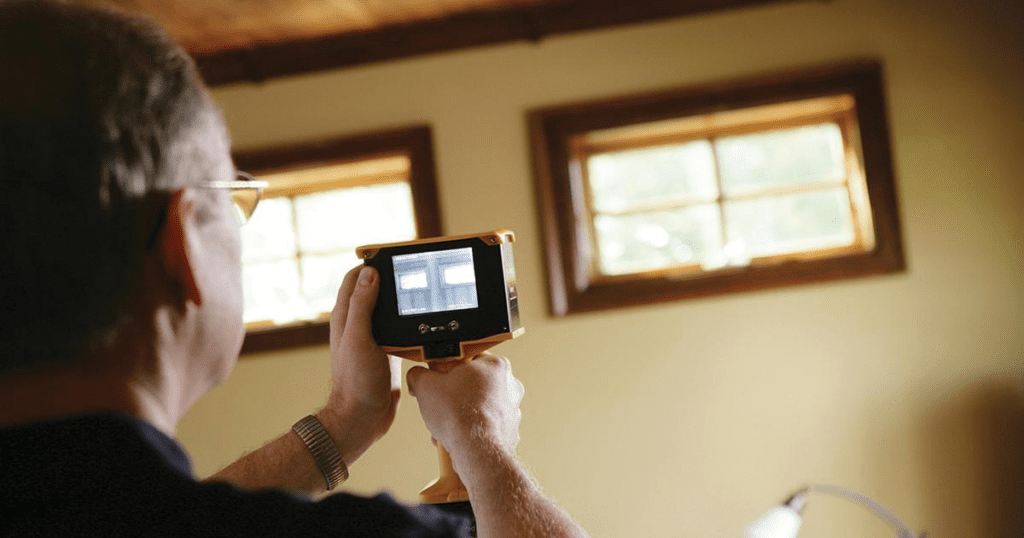
A professional energy audit tells you where you are losing the most energy, which windows are the worst performers, and what combination of improvements will give you the best return on your money. The auditor will use tools like blower door testing and thermal imaging to find drafts and insulation gaps that are invisible to the naked eye.
For Madison homeowners, the audit also serves a practical purpose: it establishes the baseline performance data you need to qualify for HOMES rebates. Without it, you cannot prove that your upgrades hit the 20% energy savings threshold.
We offer free energy audits for Madison-area homeowners considering window replacement or other exterior renovation projects. Schedule yours today to get a clear, no-pressure look at where your home stands and what improvements will make the biggest difference in your comfort and your energy bills.
Questions and Answers: Window Installation in Madison, WI
How much does window installation cost in Madison, WI?
For most Madison homes, window replacement costs between $400 and $800 per window installed for quality double-pane Low-E units. Triple-pane windows add roughly $100 to $200 per window. A full-home project replacing 15 to 20 windows typically runs $8,000 to $18,000 depending on the product you choose and whether any structural work is needed. These costs can be reduced significantly through Focus on Energy rebates and IRA HOMES rebates when window replacement is part of a larger energy efficiency project.
Are there any tax credits for replacing windows in Wisconsin in 2026?
The federal Section 25C tax credit for energy-efficient windows expired on December 31, 2025. If you installed qualifying windows in 2025, you can still claim up to $600 on your 2025 tax return. For 2026 installations, there is no federal tax credit available. However, Wisconsin’s Focus on Energy program and the IRA-funded HOMES rebate program (offering $2,000 to $10,000 for qualifying whole-home energy projects) are both still active. The HEAR program offers additional rebates up to $14,000 for income-qualifying households.
What type of windows are best for Wisconsin winters?
The best windows for Wisconsin are ENERGY STAR certified for the Northern Climate Zone. In practical terms, that means double-pane or triple-pane glass with a Low-E coating and argon gas fill, paired with vinyl, fiberglass, or composite frames. Triple-pane windows provide the highest insulation value and are especially worthwhile in bedrooms and living areas where you spend the most time. The most important thing is that the windows are properly installed with thorough air sealing around the frame.
How much energy can new windows save in a Madison home?
ENERGY STAR estimates that certified windows reduce heating and cooling costs by up to 13% compared to non-certified products. For a typical Madison home, that translates to roughly $240 to $750 per year in savings depending on the condition of the windows you are replacing. Homes with single-pane windows see the largest savings. Over the 20-to-30-year lifespan of the windows, cumulative savings can reach $6,000 to $15,000 or more, especially as Wisconsin utility rates continue to rise.
What is Low-E glass and do I need it in Wisconsin?
Low-E glass has a thin, invisible coating that reflects heat. In winter, it keeps your indoor heat from escaping through the glass. In summer, it blocks a portion of the sun’s heat from entering your home. For Wisconsin homes, Low-E glass is considered essential because it reduces energy loss in both seasons. It also blocks UV rays that cause furniture and flooring to fade. Virtually every quality replacement window sold today includes Low-E glass as a standard feature.
What is Focus on Energy and can it help pay for new windows?
Focus on Energy is Wisconsin’s statewide energy efficiency program, funded by participating utilities. It offers rebates, free home energy assessments, and a network of qualified Trade Ally contractors. While dedicated window-only rebates vary by year, Focus on Energy supports window replacement as part of whole-home energy improvement projects that also include insulation and air sealing. You can stack Focus on Energy rebates with IRA HOMES program rebates for even larger savings. Visit focusonenergy.com or call 800-762-7077 to check current rebate availability.
Should I get an energy audit before replacing my windows?
Yes, and here is why. An energy audit identifies exactly where your home is losing energy, which may or may not be primarily through your windows. You might discover that attic insulation or air sealing would save more money than window replacement alone. The audit also establishes baseline performance data required to qualify for HOMES rebates, which can provide $2,000 to $10,000 toward your project. Without an audit, you risk spending money on upgrades that do not address your biggest energy problems, and you miss out on the largest available rebates.
How long does window replacement take in a Madison home?
For most homes, a professional crew can replace 10 to 15 windows in one to two days. Larger projects or installations that involve structural changes to the opening may take longer. Installers work one window at a time to minimize how long any opening is exposed to the elements, so you will not have a house full of open holes during a Wisconsin winter. Most homeowners find the process less disruptive than they expected.