
Your roof is your home’s first line of defense against the elements, but like any part of your house, it won’t last forever. Recognizing the early warning signs of roof damage can save you thousands of dollars in repairs and protect your family from potentially dangerous situations. As experienced roofing professionals, we’ve seen firsthand how small issues can quickly escalate into major problems when left unaddressed.
In this comprehensive guide, we’ll walk you through the ten most critical warning signs that indicate your roof needs immediate attention. By the end of this article, you’ll know exactly what to look for and when to call in the professionals.
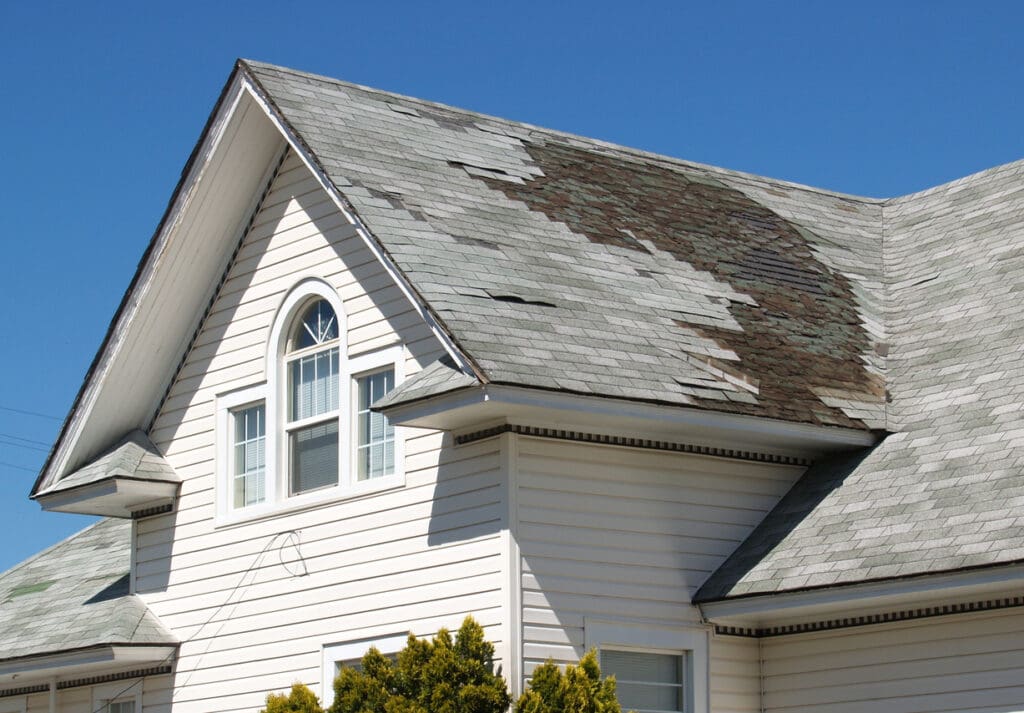
1. Missing, Cracked, or Curling Shingles
One of the most obvious signs of roof trouble is damaged shingles. Whether they’re missing entirely, showing visible cracks, or curling at the edges, compromised shingles leave your roof vulnerable to water infiltration and further damage.
What to look for:
- Shingles that have blown off completely, leaving bare spots on your roof
- Visible cracks running through shingles
- Shingles with edges that curl upward or downward
- Granules collecting in your gutters (a sign of advanced shingle wear)
Missing or damaged shingles often result from severe weather events, age, or poor installation. When shingles fail, they expose the underlying roof deck to moisture, which can lead to rot, mold growth, and structural damage. This type of damage requires immediate roofing intervention to prevent more extensive and costly repairs.
2. Water Stains on Ceilings or Walls

Water stains appearing on your interior ceilings or walls are clear indicators that water is penetrating your roof system. These stains often appear as brown or yellow discolored patches and may expand over time if the leak isn’t addressed.
Key indicators:
- Circular or irregular brown or yellow stains on ceilings
- Discoloration near corners where walls meet the ceiling
- Peeling paint or wallpaper in upper areas of rooms
- A musty odor in certain rooms, especially after rain
Water stains don’t always appear directly below the leak source. Water can travel along rafters, insulation, or other structural elements before dripping into your living space. Even small leaks can cause significant damage over time, including mold growth, wood rot, and compromised structural integrity.
3. Sagging Roof Areas
A sagging roof is a serious structural concern that demands immediate attention. This warning sign indicates that the roof’s support structure has been compromised, often due to prolonged water damage, inadequate support, or the weight of accumulated debris.
Signs of sagging:
- Visible dips or low spots when viewing your roof from the street
- Bowing or drooping along the roofline
- Cracks in exterior walls near the roofline
- Doors and windows that stick or won’t close properly
Sagging roofs pose immediate safety risks and can lead to complete roof collapse if not addressed quickly. This type of damage typically requires extensive roofing repair or replacement and should never be ignored.
4. Damaged or Missing Flashing
Flashing consists of thin metal strips installed around roof transitions, chimneys, vents, and other roof penetrations to direct water away from vulnerable areas. When flashing becomes damaged, displaced, or missing, these areas become prime spots for water infiltration.
Flashing problems include:
- Rust or corrosion on metal flashing
- Flashing that has pulled away from roof surfaces
- Cracked or deteriorated caulking around flashing
- Missing flashing sections entirely
Damaged flashing is particularly problematic because it affects critical junction points where different roof planes meet. Water infiltration at these locations can cause rapid and extensive damage to your home’s structure and interior.
5. Clogged or Damaged Gutters
While gutters aren’t technically part of your roof, they play a crucial role in your home’s water management system. Clogged, damaged, or improperly functioning gutters can cause water to back up under your roofing materials, leading to significant damage.
Gutter warning signs:
- Gutters overflowing during moderate rainfall
- Visible cracks or holes in gutter sections
- Gutters pulling away from the house
- Water stains on siding beneath gutters
- Ice dams forming in winter months
When gutters can’t properly channel water away from your roof, the resulting water backup can saturate roofing materials, cause ice dams in cold climates, and lead to foundation problems. Regular gutter maintenance is essential for protecting your entire roofing system.
6. Granule Loss from Asphalt Shingles
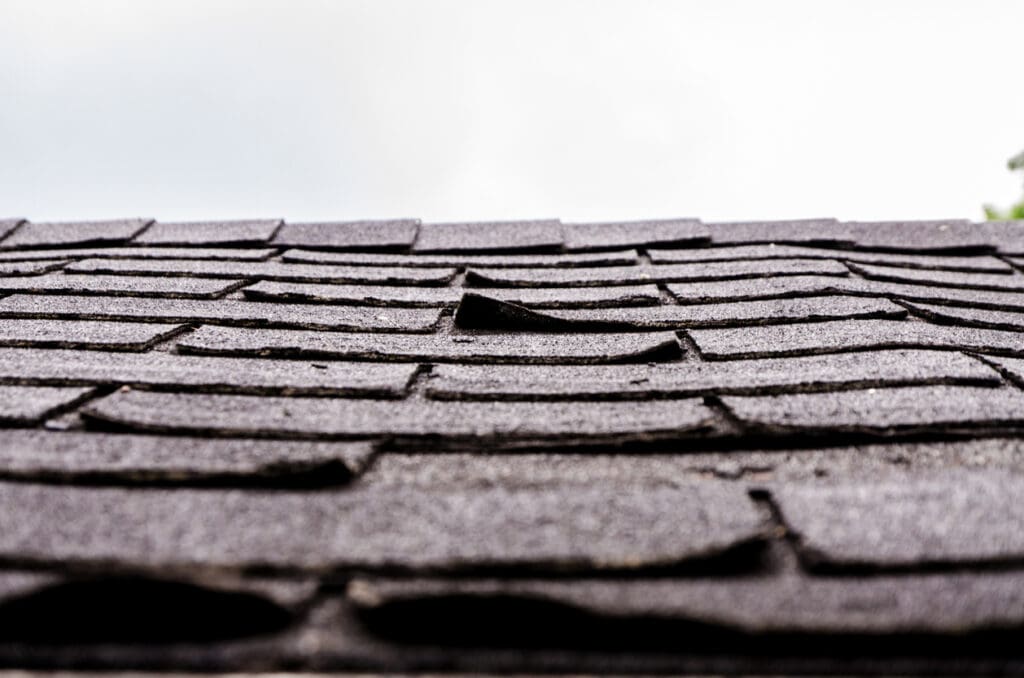
Asphalt shingles are coated with protective granules that shield them from UV rays and weather damage. As shingles age or become damaged, these granules begin to wear away, reducing the shingle’s effectiveness and lifespan.
Signs of granule loss:
- Granules accumulating in gutters and downspouts
- Shingles that appear darker or have bare spots
- Uneven coloration across your roof surface
- Granules scattered around your home’s foundation
Significant granule loss indicates that your shingles are nearing the end of their useful life. While minor granule loss is normal as shingles age, excessive loss leaves your roof vulnerable to UV damage, moisture penetration, and thermal cycling damage.
7. Moss, Algae, or Mold Growth
Organic growth on your roof isn’t just an aesthetic issue – it’s a sign of moisture retention that can lead to serious structural problems. Moss, algae, and mold thrive in moist environments and can gradually break down roofing materials.
What to watch for:
- Green, black, or brown patches on shingles
- Moss growth, particularly in shaded areas
- Dark streaks running down your roof (often algae)
- A persistently musty smell from your attic
Moss is particularly problematic because its root systems can work between and under shingles, lifting them and creating pathways for water infiltration. Professional roofing assessment is necessary to determine the extent of damage and the best remediation approach.
8. Daylight Visible Through the Roof
If you can see daylight through your roof boards when you’re in the attic, you have a serious problem that needs immediate attention. This indicates significant structural damage or deterioration that compromises your roof’s integrity.
Signs from the attic:
- Beams of light coming through the roof
- Dark stains on rafters or roof decking
- White stains (efflorescence) on wood surfaces
- Wet insulation or rafters
Visible daylight means your roof has holes, cracks, or gaps that allow not only light but also water, pests, and outside air to enter your home. This type of damage requires immediate professional intervention to prevent further deterioration and potential safety hazards.
9. Higher Energy Bills
While not as immediately obvious as other warning signs, unexplained increases in your heating and cooling costs can indicate roof problems. A compromised roof allows conditioned air to escape and outside air to infiltrate your home, forcing your HVAC system to work harder.
Energy-related symptoms:
- Gradual increases in utility bills without changes in usage
- Difficulty maintaining consistent indoor temperatures
- Drafts felt in upper floors or near the ceiling
- Ice dams forming on your roof in winter
Roof damage that affects your home’s energy efficiency might not be visible from ground level, making professional inspection essential. A qualified roofing contractor can identify insulation problems, air leaks, and ventilation issues that contribute to energy loss.
10. Age of Your Roof
Sometimes the most important warning sign is simply the age of your roof. Different roofing materials have different lifespans, and even well-maintained roofs will eventually need replacement.
Typical roof lifespans:
- Asphalt shingles: 20-25 years
- Wood shingles: 25-30 years
- Metal roofing: 40-70 years
- Slate or tile: 50-100 years
If your roof is approaching or has exceeded its expected lifespan, it’s time for a professional inspection even if you haven’t noticed other warning signs. Proactive replacement or major repairs can prevent emergency situations and water damage to your home’s interior.
When to Call Professional Roofers
While some homeowners feel comfortable performing basic roof inspections from the ground, many warning signs require professional assessment to fully understand the scope of necessary repairs. Professional roofers have the experience, tools, and safety equipment necessary to properly evaluate roof condition and recommend appropriate solutions.
Call professionals immediately if you notice:
- Any structural sagging or deformation
- Active leaks or water infiltration
- Extensive shingle damage from storms
- Signs of mold or rot in the attic
- Any situation that poses immediate safety risks
Professional roofing contractors can provide comprehensive inspections, emergency repairs, and long-term solutions that protect your investment and ensure your family’s safety.

Conclusion
Your roof is one of your home’s most critical components, and recognizing these warning signs early can save you significant money and stress. Don’t wait until minor issues become major problems – if you’ve noticed any of these ten warning signs, contact a professional roofing contractor for a thorough evaluation.
Regular roof maintenance and prompt attention to warning signs will extend your roof’s lifespan, protect your home’s interior, and maintain your property value. Remember, when it comes to roofing problems, early intervention is always more cost-effective than emergency repairs.
If you’re experiencing any of these warning signs or simply want peace of mind about your roof’s condition, contact our experienced roofing team for a comprehensive inspection and professional recommendations tailored to your specific needs.