
Your home’s siding isn’t just about curb appeal—it’s the first line of defense against harsh weather, moisture, and energy loss. Over time, siding materials degrade, which can lead to serious structural and efficiency issues. But how do you know when it’s time to replace your siding?
In this guide, we’ll walk through the most common signs that your siding needs replacing, with photo examples so you know exactly what to look for.
1. Cracking, Warping, or Buckling: Early Signs Your Siding Needs Replacing
What to look for:
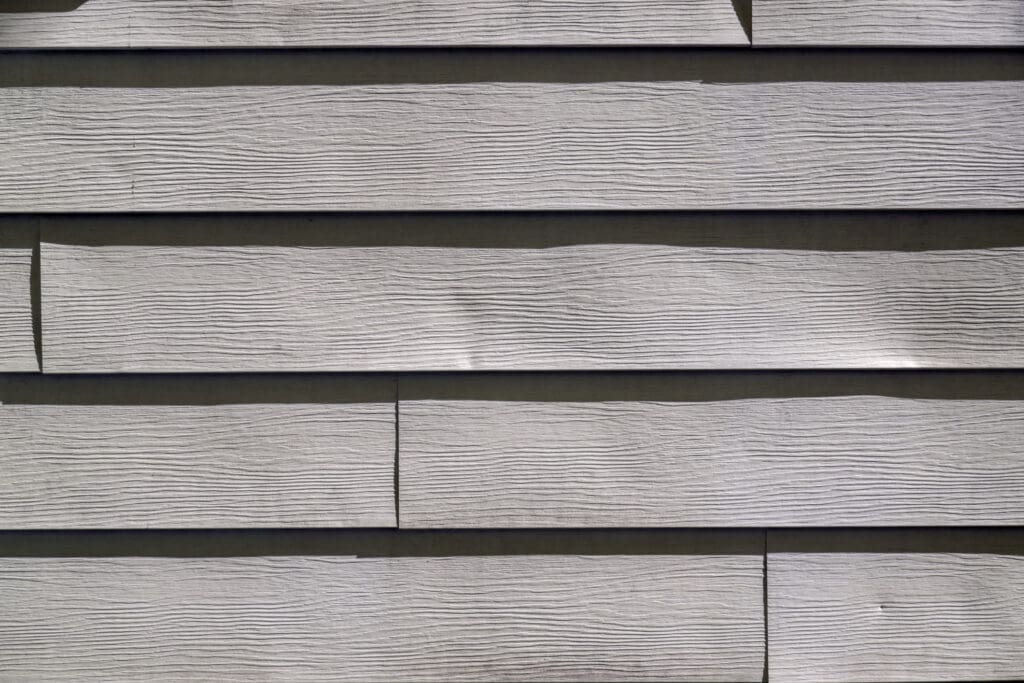
If you notice visible cracks, bulges, or warped panels, it’s a major red flag. These are often signs of moisture getting behind the siding or the material expanding and contracting with temperature changes.
Why it matters:
Cracked or warped siding allows water to seep into the walls, leading to mold, rot, and insulation damage.
Replace if:
You see multiple warped or cracked areas, especially if they return after spot repairs
2. Blistering or Bubbling Under the Surface
What to look for:
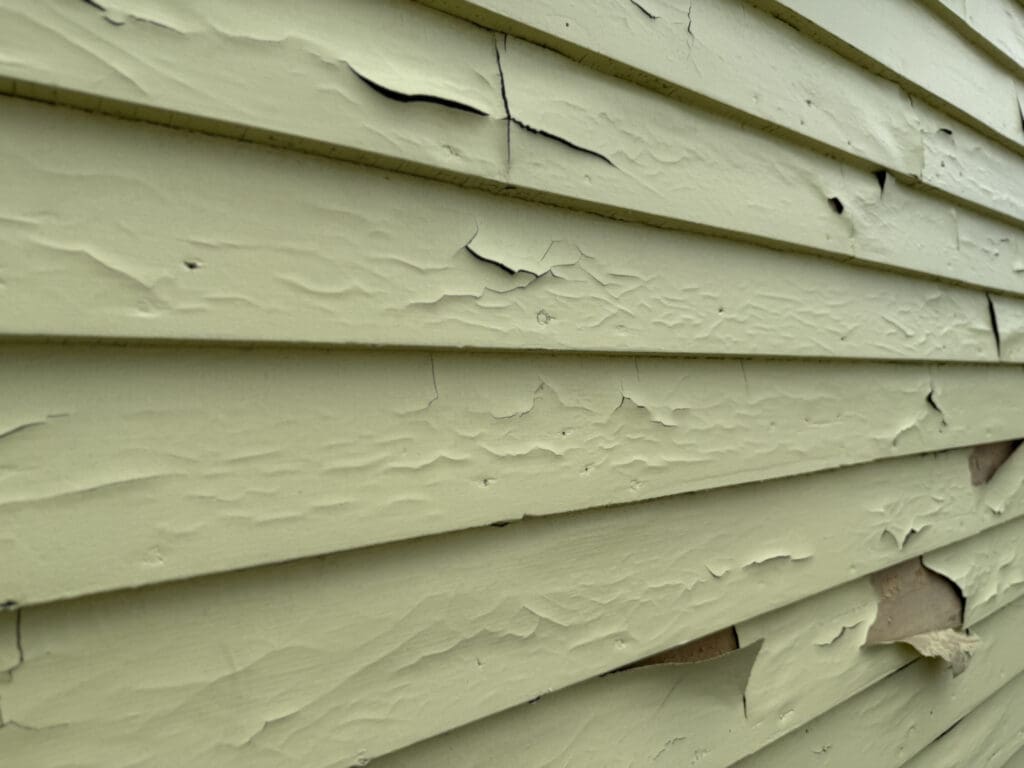
Blisters or bubbles indicate that moisture has become trapped beneath the siding surface. This is often seen on older vinyl siding that has deteriorated over time.
Why it matters:
Moisture trapped behind siding is a clear sign that the siding has failed to do its job—protecting your home from water intrusion.
Replace if:
The bubbles are widespread or recurring. Spot repairs may not be enough.
3. Frequent Repainting or Fading
What to look for:
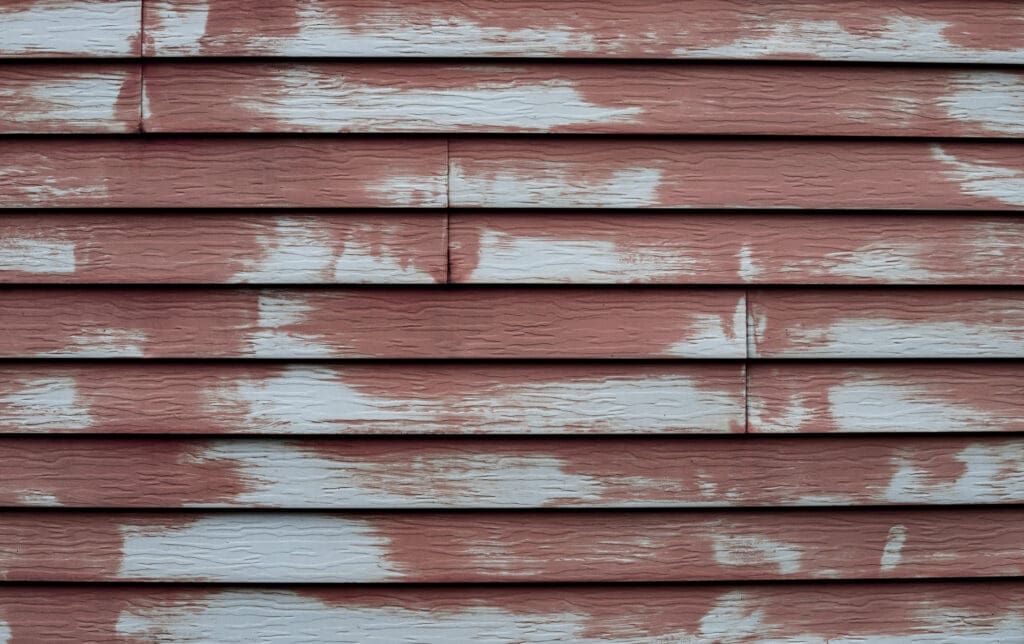
If your siding constantly needs repainting every few years, or if it appears chalky and faded even after a fresh coat, it may be time to upgrade.
Why it matters:
Fading or peeling paint is a sign the material underneath is deteriorating and losing its protective surface.
Replace if:
Paint doesn’t adhere well, or the siding fades within a year or two of repainting.
4. Rotting or Soft Spots
What to look for:
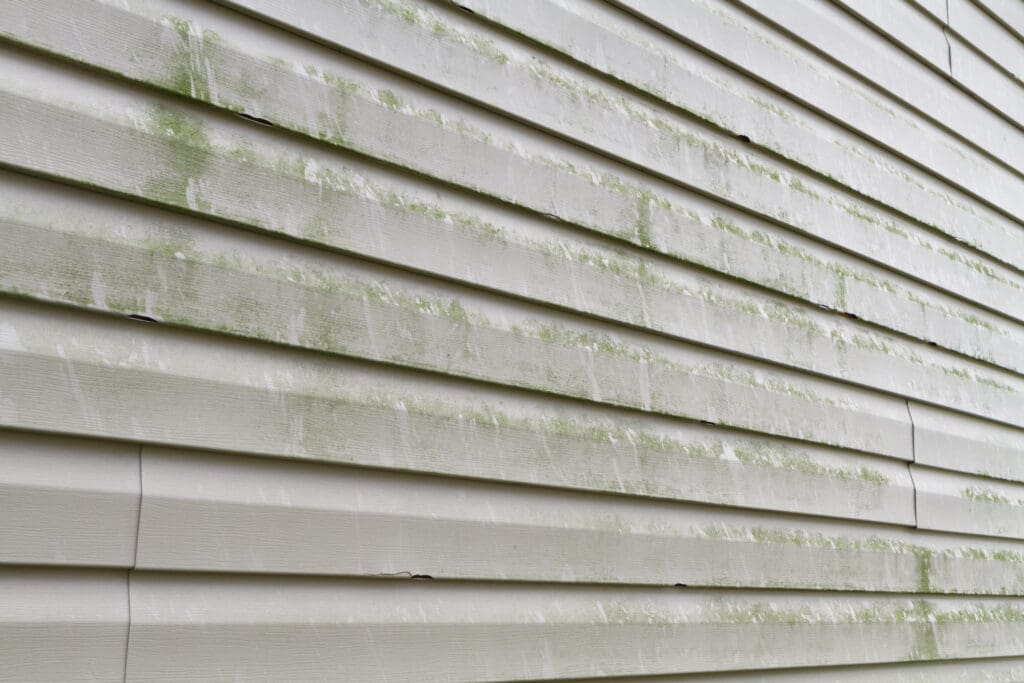
Press gently on areas that appear discolored or damp. If the siding feels soft or you can easily poke through it, rot has likely set in.
Why it matters:
Rot spreads quickly and often goes deeper than it appears on the surface, compromising your home’s structure.
Replace if:
You find rot in more than one area, especially near the base or corners of the home.
5. Pest Damage
What to look for:
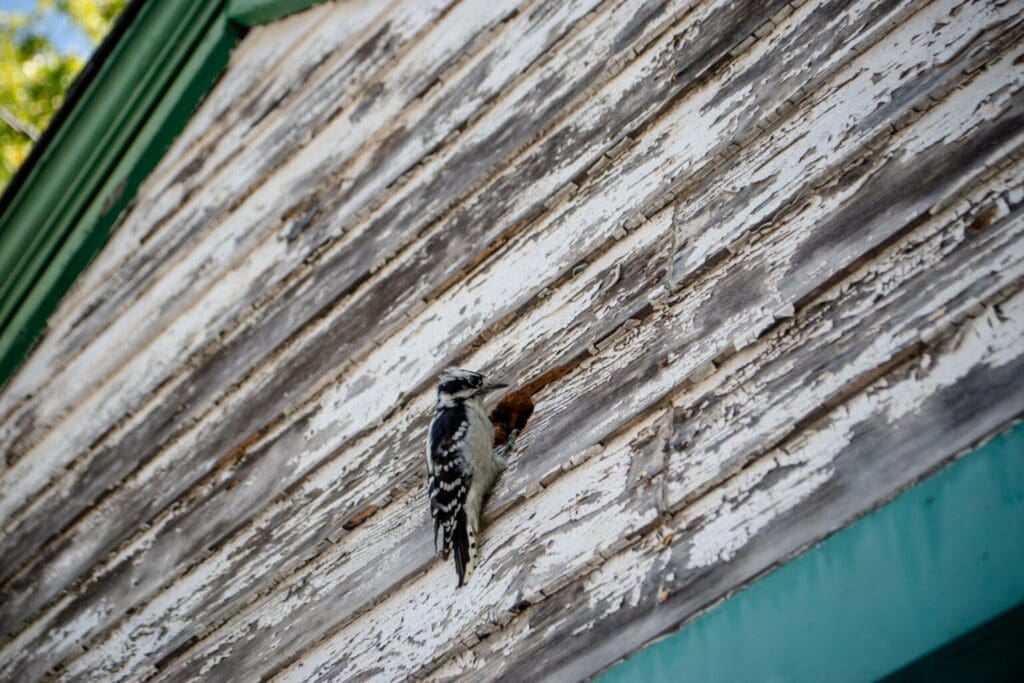
Termites, carpenter ants, or woodpeckers can all leave visible signs of damage—like holes, tunnels, or nests.
Why it matters:
Pests can use compromised siding to enter your home or cause extensive internal damage.
Replace if:
Infestation is ongoing, or the siding has extensive visible holes or chewing.
6. Increased Energy Bills
What to look for:
A sudden rise in your heating or cooling costs can mean your siding (and wall insulation) is no longer performing effectively.
Why it matters:
Siding contributes to your home’s thermal envelope. Gaps, cracks, or thin materials can leak air and energy.
Replace if:
You’ve ruled out windows, doors, and HVAC as the cause—and your siding is visibly aging.
Loose or Missing Panels
What to look for:
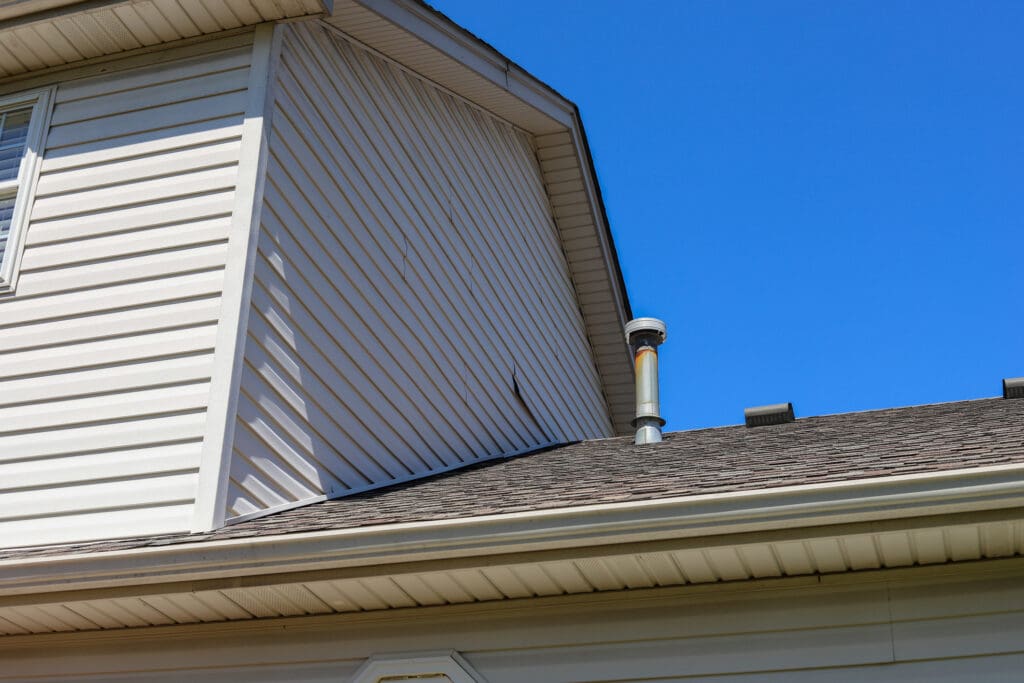
Inspect for panels that are completely missing, loose, or rattling in the wind.
Why it matters:
Loose or missing siding exposes the sheathing underneath, making your home vulnerable to water and wind damage.
Replace if:
You’re noticing multiple detached areas, or temporary fixes (nails, glue) no longer hold.
8. Age of the Siding
What to look for:
Even if your siding “looks okay,” knowing the material’s lifespan can help prevent problems before they start.
| Siding Type | Expected Lifespan |
|---|---|
| Vinyl | 20–30 years |
| Wood | 20–40 years (with upkeep) |
| Fiber Cement | 30–50 years |
| Aluminum | 25–40 years |
Replace if:
Your siding is near the end of its expected life and showing signs of wear or energy inefficiency.
Should You Repair or Replace?
When Repair Might Be Enough:
- You have a small crack or isolated damage (like from a storm).
- The siding is relatively new and in otherwise good condition.
When Replacement Is the Better Option:
- Multiple areas are affected.
- You’re seeing mold, rot, or ongoing water issues.
- You want to improve your home’s curb appeal and efficiency long-term.
Real-Life Example from Our Team
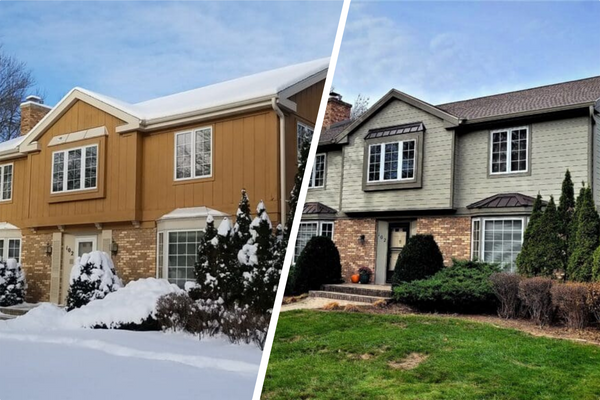
At Exterior Renovations, we recently worked with a Madison homeowner who had bubbling vinyl siding and rising utility bills. Upon inspection, we discovered extensive moisture behind the panels. Full replacement with insulated vinyl siding not only resolved the issue but cut their heating bill by 18%.
Final Thoughts
Your siding does more than protect your home—it plays a huge role in your property’s value, energy efficiency, and curb appeal. Recognizing the early warning signs of failing siding can help you avoid bigger problems down the road.
If you’re unsure whether your siding needs replacing, we’d be happy to help. At Exterior Renovations, we offer free siding inspections and honest recommendations tailored to your home and budget.
Ready for a Free Inspection?
Contact us today or schedule a consultation with our experts in Madison, WI.